

In this article
Manual or electric coffee grinder: which suits you?Ceramic or steel burrs: what should you look at?How do you adjust a coffee grinder for espresso?What does single dose mean?How much should you spend on a coffee grinder?A coffee grinder for espresso needs fine adjustment. For moka and filter, think about how easy it is to use each day and where you’ll keep it. In the video, Angelo compares manual and electric grinders. It’s in Italian; on YouTube, turn on CC, then choose Settings, Subtitles, Auto-translate, English.
Manual or electric coffee grinder: which suits you?
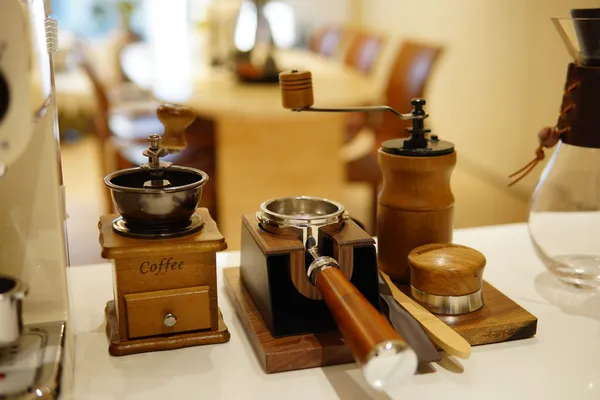
A hand grinder makes sense if you don’t mind turning a handle for each brew. An electric grinder saves effort if you grind often or make several coffees in a row. Think about the space you have and whether grinding by hand fits into your morning.
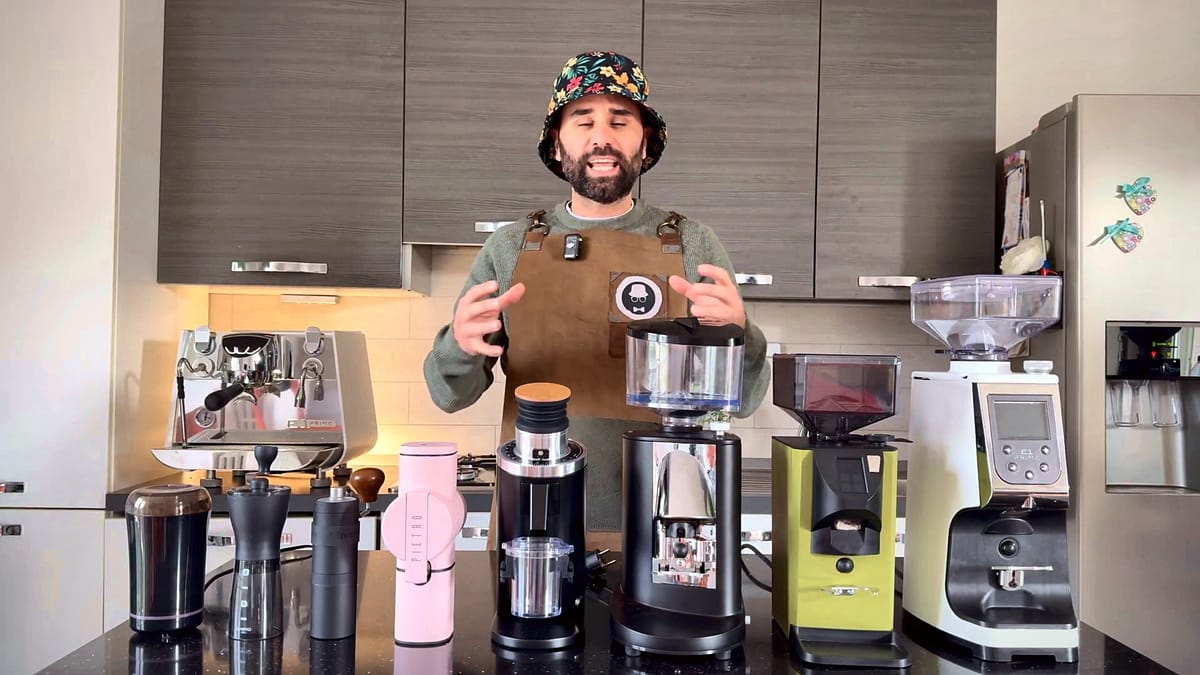
Angelo shows hand grinders with very different builds. One is light enough to take travelling; the heavier one makes more sense at home. Before buying, picture where you’ll use it. Even a good grinder gets old fast if you have to fetch it from a cupboard every time.
There’s another choice to make: burrs or blades. With a burr grinder, you adjust the distance between the surfaces that break up the beans. The small blade chopper in the video doesn’t give you the same control over particle size, even if you run it longer. Angelo rules it out for espresso.
Grinding exposes more of the coffee to water. Grind shortly before brewing and the grounds spend less time exposed to air. If you’re still choosing a brewing method, our comparison of filter coffee and espresso can help you decide which routine suits you.
Ceramic or steel burrs: what should you look at?
The burr material on its own won’t tell you whether a grinder suits your brewing method. Look at the whole design. Angelo shows ceramic burrs in an inexpensive hand grinder, then compares steel-burr models with different builds and adjustment systems.
That example applies to the grinders shown in the video. Ceramic burrs are also used in espresso grinders: Baratza uses flat ceramic burrs in the Vario+ and Forté AP. The material printed on the box can’t tell you whether a grinder will produce the grind you need.
The same goes for flat and conical burrs. Look for tests of the grinder itself, ideally with your brewing method. Burr shape alone can’t tell you how the coffee will taste.
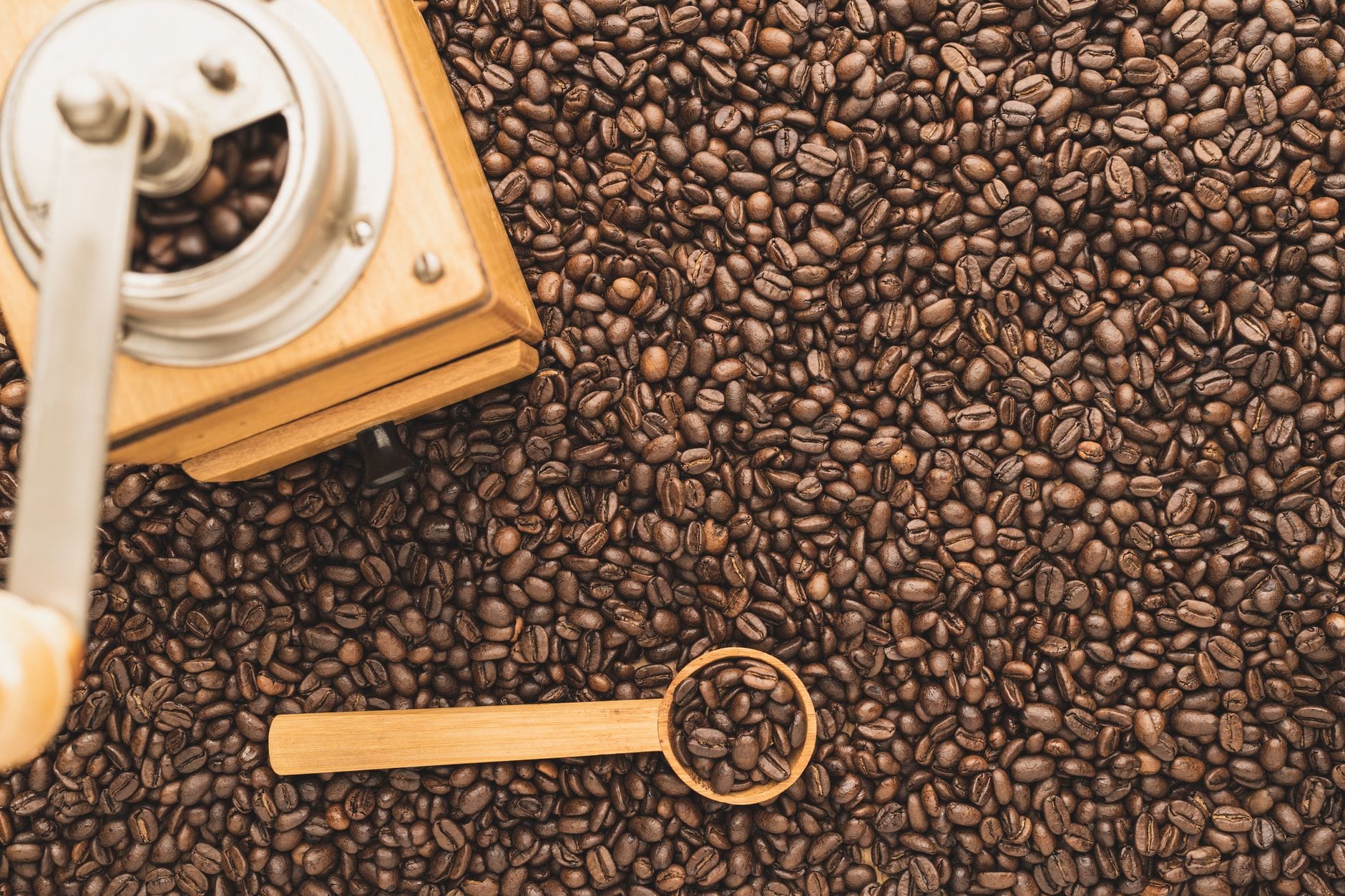
How do you adjust a coffee grinder for espresso?
For espresso, a grinder needs to go fine enough and let you make small adjustments around your usual setting. Angelo describes two frustrations: the finest setting still gives you watery coffee, or one click takes you from a fast shot to almost no flow.
The first can mean the grinder doesn’t go fine enough, though your preparation could be part of it too. The second can mean the right setting falls between two clicks. The word “espresso” on the box doesn’t answer either question.
Baratza’s guide to grind adjustment explains the difference between fixed steps and continuous, stepless movement. A numbered dial can still be stepless: printed marks don’t mean the grinder clicks into place. A stepped grinder can work for espresso if the steps are small enough.
Your basket matters too. If you’re switching to a traditional basket, read about pressurised and traditional baskets on the Dedica. Keep your dose steady when you compare grind settings, as Baratza’s dialling-in procedure recommends, and watch what changes in the cup.
What does single dose mean?
With single dosing, you weigh the beans for a brew and grind that amount instead of keeping beans in the hopper. You choose the amount for your recipe; the term doesn’t set a fixed dose.
In the video, Angelo compares single dosing with a hopper-fed grinder and timed dosing. Single dosing may suit you if you change coffees often. A hopper may fit better if you use the same beans each day. If you switch between espresso and filter, think about how easily you can get back to your previous grind setting.
Retention is coffee left inside the grinder. Weighing the beans going in and the grounds coming out lets you see how your grinder behaves. The bellows in the video are meant to reduce what stays behind; they don’t guarantee zero retention.
How much should you spend on a coffee grinder?
Start with what you want to improve: easier adjustment, sturdier construction or less time spent grinding. Angelo also looks at how easy it is to reach the burrs for cleaning, whether replacement parts are available and whether the grinder has timed controls.
The video was published on December 1, 2024. Treat the prices Angelo mentions as references from that recording, not current quotes. He also says he hasn’t used every inexpensive model, so his comparison can’t set a minimum budget for everyone.
For tests of specific grinders against these buying criteria, read Angelo’s Baratza Encore ESP and HiBREW G5 comparison. He explains the conditions in which he used them.
Before you buy, write down your brewing method, your basket type if you make espresso, and how many coffees you prepare in a row. Then look for a demonstration that covers those needs. If you only make moka, being able to return easily to your preferred grind may matter more than a touchscreen.