

In this article
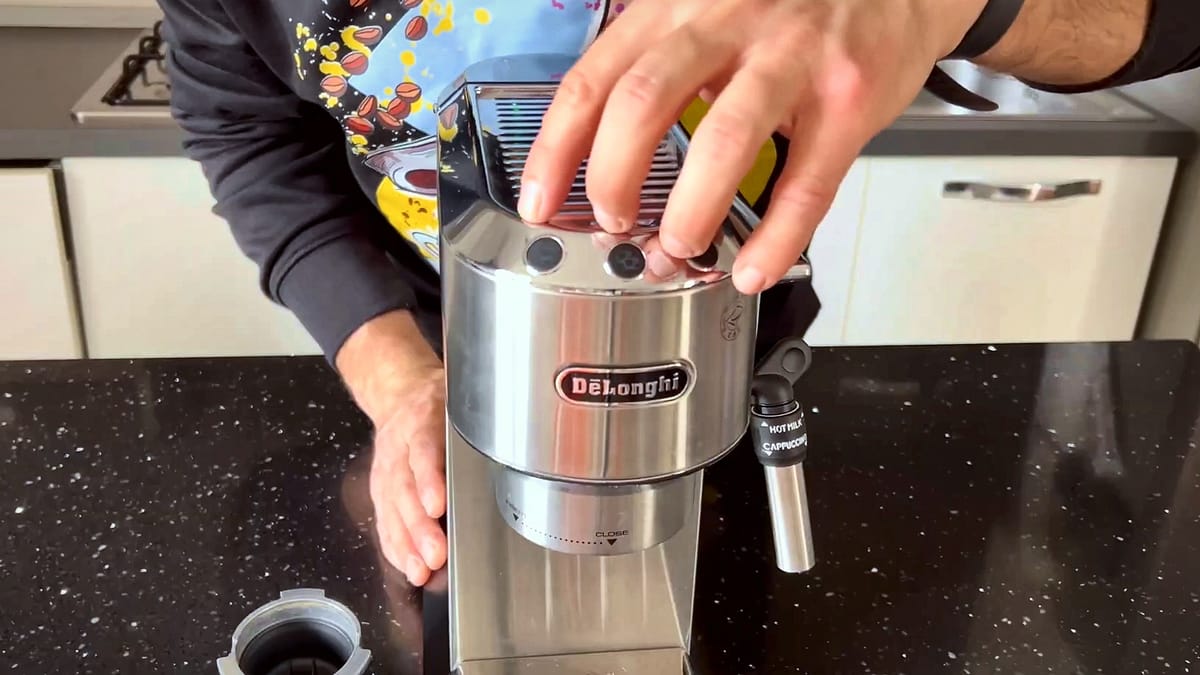
Two ways to use the DedicaPressurized or traditional: what changes?With a grinder, adjust the grindIs the Dedica worth it?The De’Longhi Dedica basket choice balances convenience and control: a pressurized basket works with pre-ground coffee, while a traditional basket gives you more control with a suitable grinder.
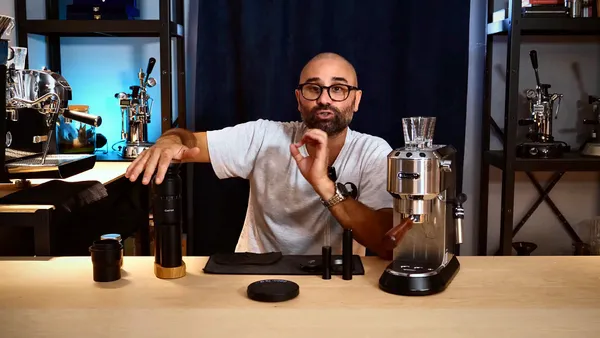
Angelo tests the machine in the video below, which is in Italian. To enable English auto-translated subtitles on YouTube, choose CC, then Settings, Subtitles, Auto-translate, and English.
Two ways to use the Dedica
You can use the machine with pre-ground coffee and a pressurized basket for a straightforward routine, or grind fresh coffee and use a non-pressurized basket for more control. These are not just different accessories: they change how much you can adjust the extraction.
A pressurized basket is designed to create resistance even when the grind is coarser and less uniform, as pre-ground coffee often is. It is a practical option if you do not want to add a grinder to your routine. The trade-off is that you have fewer ways to adjust the brewing time and flow.
A traditional basket gives you more control, but it also needs a suitable grind. It makes sense if you are willing to weigh your dose, adjust the grinder, and repeat your tests consistently.
Pressurized or traditional: what changes?
Both baskets hold the coffee and help create resistance as water passes through it. A pressurized basket restricts the outlet, even when the grind is not perfectly dialed in. With a traditional basket, the bed of ground coffee does more of the work.
In the video, Angelo compares a pressurized basket with a non-pressurized IMS basket. The useful lesson is not that one basket is always better for everyone. A traditional basket gives you more control, but that control depends on having a grinder that can produce a suitable espresso grind.
With a grinder, adjust the grind
When you grind fresh, consider dose, beverage yield, and contact time together. If water runs through the coffee too quickly, a finer grind can increase resistance. If the flow is too slow, a coarser grind can make it easier. These are starting points for testing, not a fixed recipe for every coffee and basket.
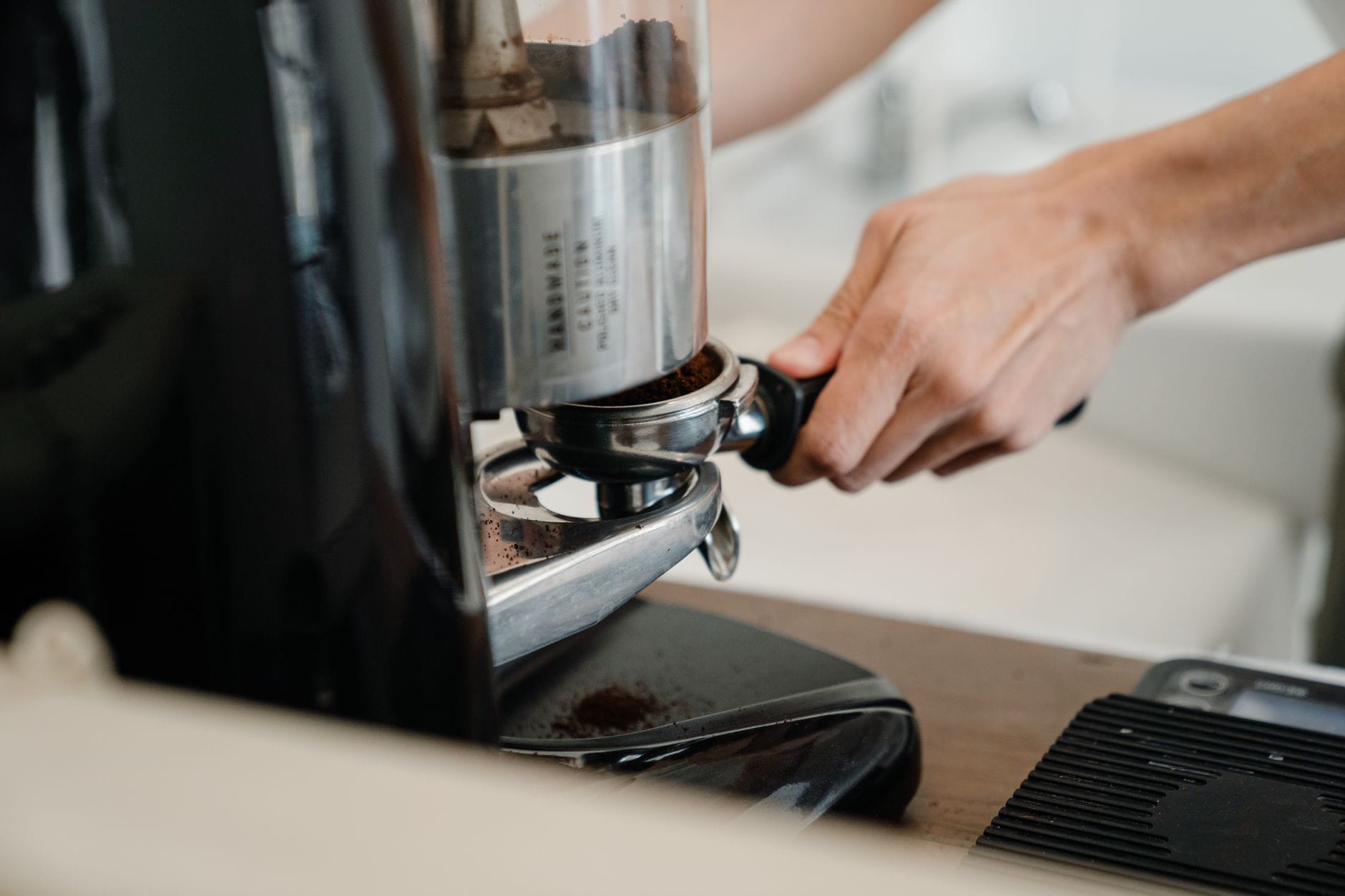
In the video, Angelo gives roughly 22-32 seconds as a reference for brew time, to be considered alongside the dose and coffee. Do not treat it as a target on its own: keep the dose consistent, note how much espresso you collect, taste the result, and then change one variable at a time.
Is the Dedica worth it?
Angelo was pleasantly surprised by the espresso he produced with this compact entry-level machine, especially with the traditional basket. But the Dedica was on loan, and he says he could not judge its long-term durability. That distinction matters: the video documents his brewing experience, not a multi-year reliability test.
If convenience matters most, you can start with a pressurized basket and pre-ground coffee. If you want to learn how to dial in espresso, consider the cost and counter space of a suitable grinder before switching to a non-pressurized basket. Either way, keep your dose consistent, watch the flow, and change one thing at a time. For help choosing fresh beans, see our guide to reading a specialty coffee label.